
De Rosa heart
"I AM A MAN WHO GOES STRAIGHT TO THE POINT"
I am a man who goes straight to the point. And, by force of habit, I never look back and count the years I have spent making frames. I prefer to look ahead, because after half a century, I am still convinced that the bicycle has room for improvement. And, just as I have done up till now, in the future too I want to contribute to the evolution of this fascinating vehicle, which at the same time is so simple and so complicated.
Ugo De Rosa
THE CUSTOM BIKE
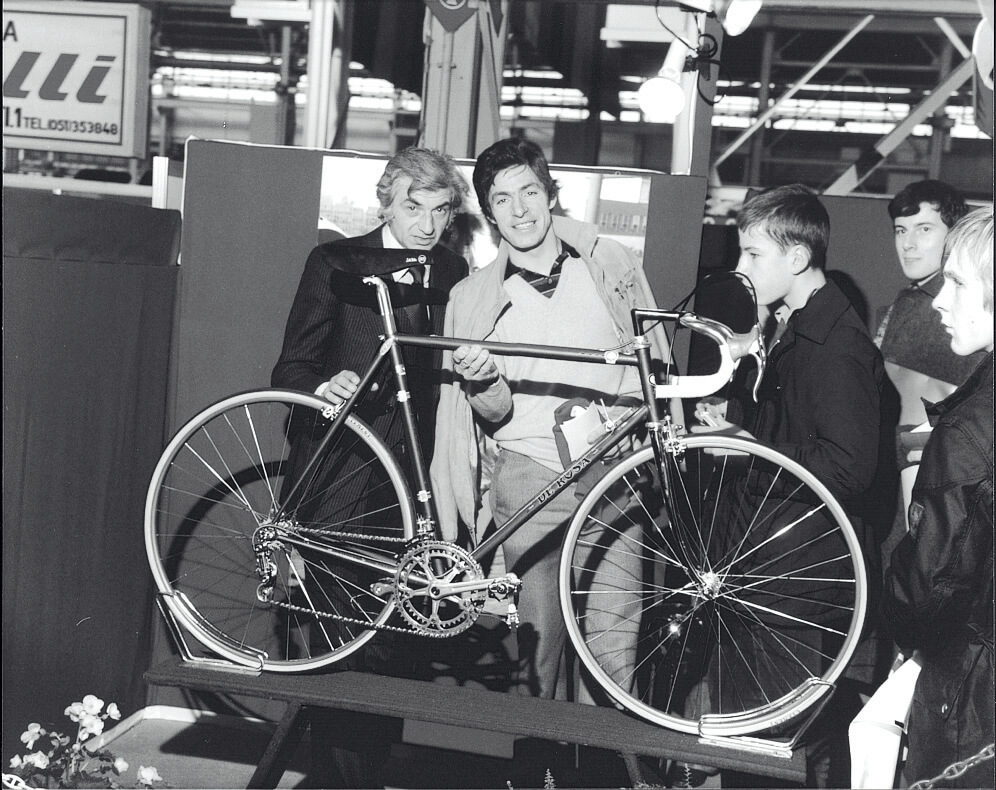
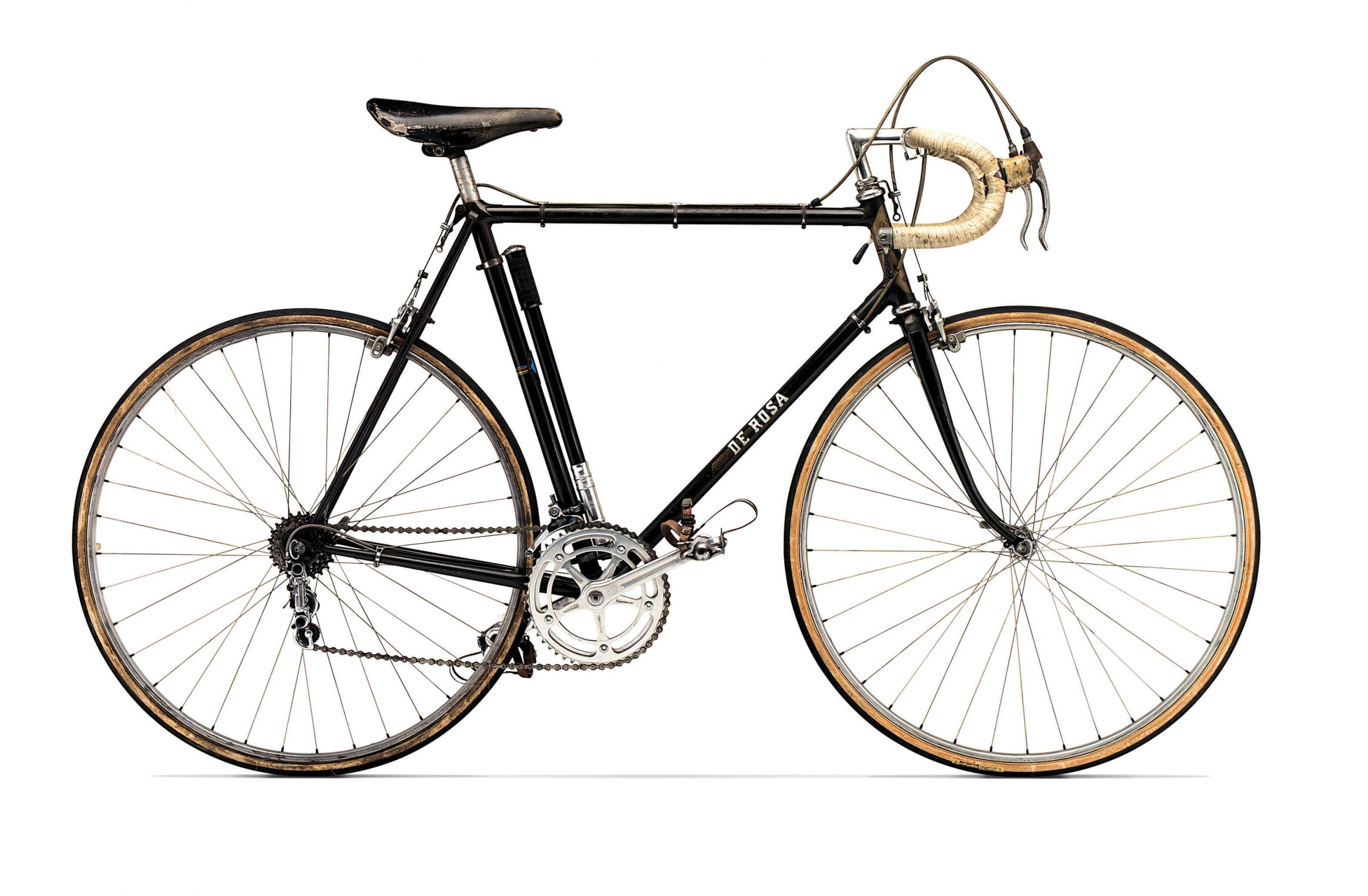
With TIG welding, a new era began: new tube shapes, tailored geometries, maximum design freedom. Customization became a method, and the construction philosophy took concrete form. These were the years of Argentin and Baronchelli—symbols of powerful, elegant cycling. Technique and identity became one language.
THE HEART
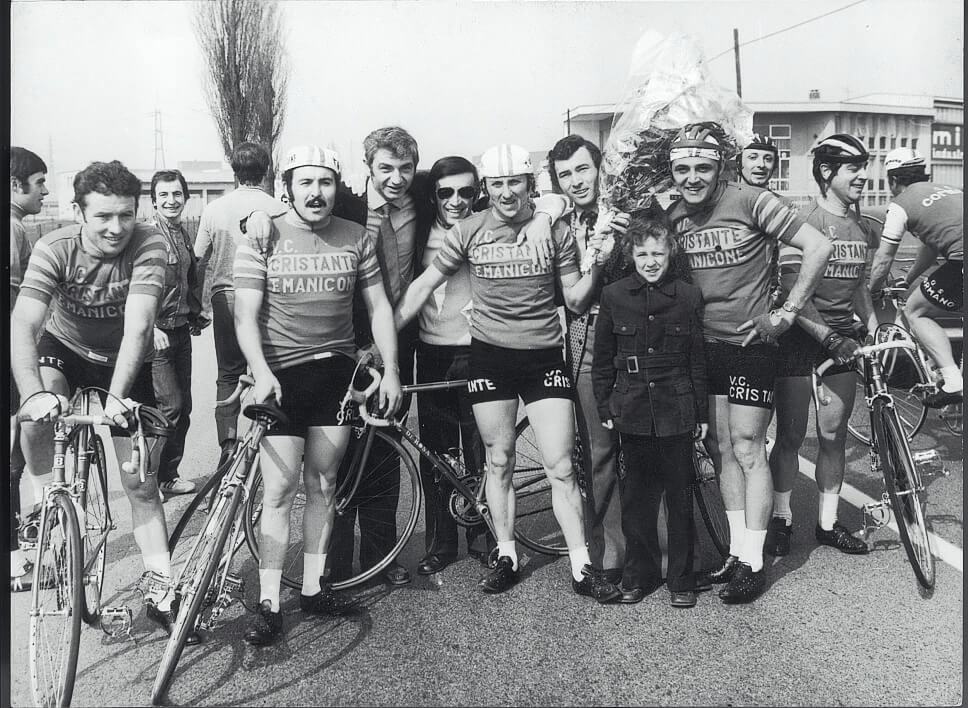
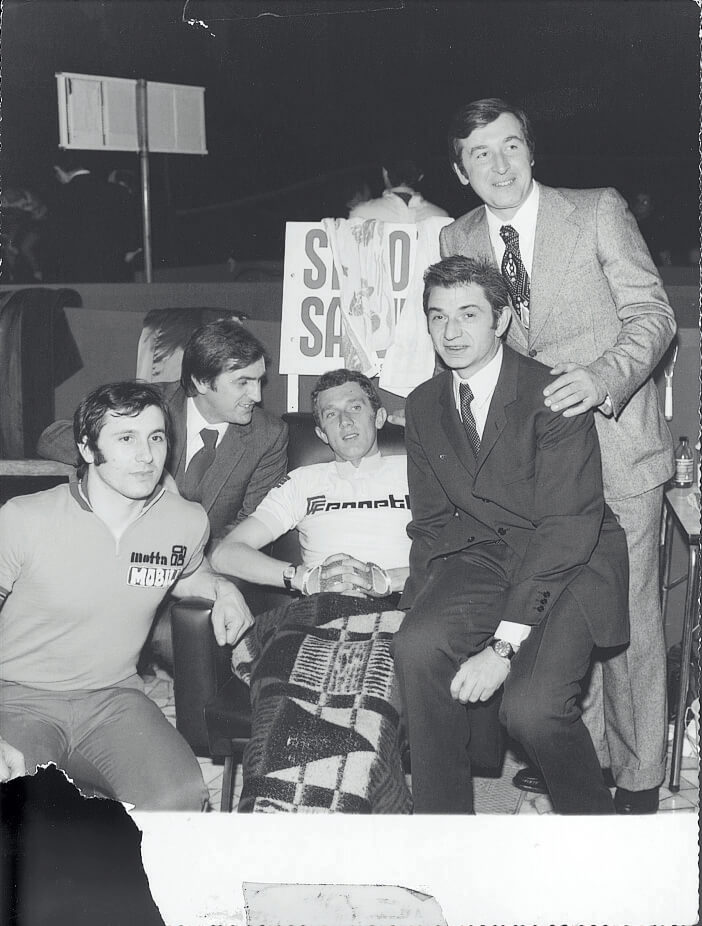
Over the years, it became a symbol of passion and love for cycling—but it was born from a practical need: drilling holes into the headset lugs to make them lighter. Those holes, together, resembled a heart. A symbol destined to last. In 1973, the heart first appeared on the bikes of a professional team: G.B.C., with Panizza, Francioni, and Turrini.
RECOGNITION
Eddy Merckx asked Ugo to become his official mechanic at Molteni. It was the start of a historic partnership and a lifelong friendship. Merckx was demanding—requesting 50–60 bikes per season—pushing Ugo to weld even at night. Yet his rider’s sensitivity helped refine every detail of the bike. With those bikes, in 1974, Merckx won the Giro d’Italia, Tour de France, Giro di Svizzera, and the World Championship in Montreal. In 1976, Ugo also built bikes for Francesco Moser, who went on to win three Paris-Roubaix races.
IN THE SPRINT
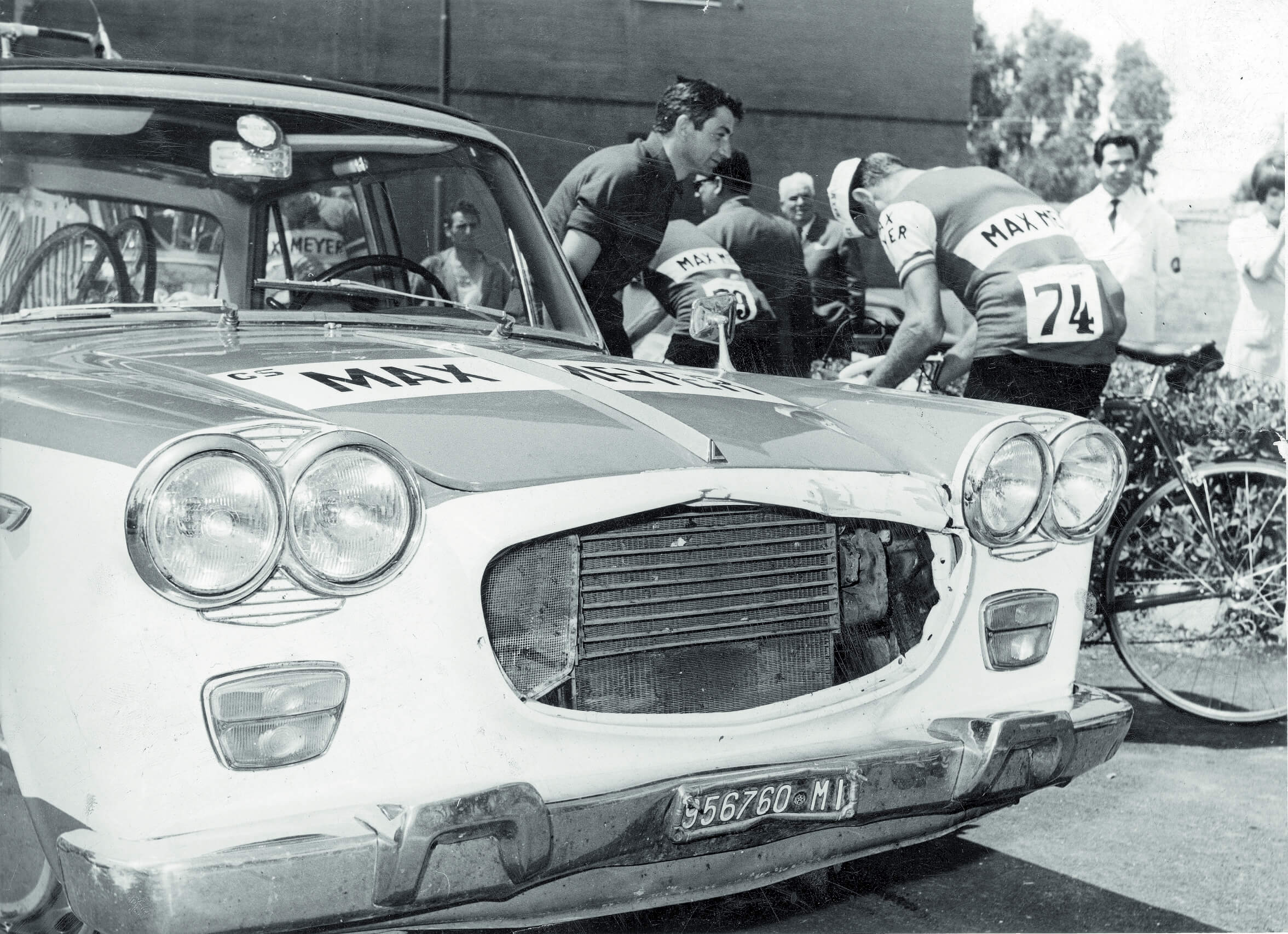
By the mid-1960s, De Rosa frames had crossed Italian borders. Amateur and professional riders began racing on De Rosa bikes, and soon the “Made in Cusano Milanino” frames expanded first across Europe, then worldwide. Ugo built for Max Meyer and Gastone Nencini. These were the years when Rik Van Looy won world championships, with De Rosa as his mechanic in the team car. In 1969, the collaboration with Gianni Motta began—lasting his entire career. It marked the beginning of an international legend.
PROFESSIONALISM
Fin da subito, la sua abilità nel costruire telai su misura attira l’attenzione di ciclisti e professionisti, portandolo a diventare un punto di riferimento nel mondo delle biciclette da corsa. Nel 1958 Raphael Geminiani gli chiede di costruire la una bicicletta per un evento al Vigorelli di Milano. Le bici De Rosa diventano una presenza fissa nel mondo professionistico, anche se non ancora brandizzate con il logo De Rosa.
THE BEGINNING
“Nothing extraordinary is ever born from a formula, but from imagining what does not yet exist—and making it real.”
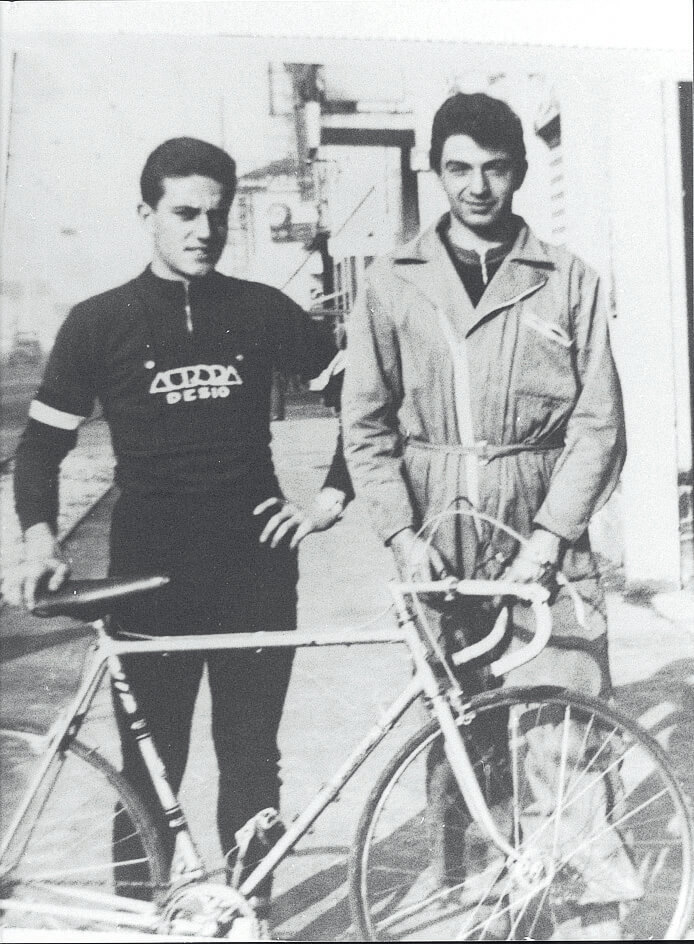
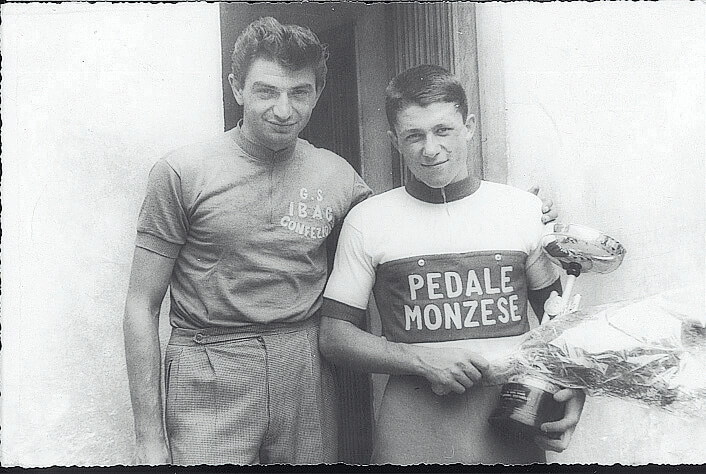
De Rosa was founded in 1953 from the passion and vision of a nineteen-year-old, Ugo De Rosa. A rider and technician with an endless love for cycling and precision mechanics, he was determined to turn knowledge and experience into pure craftsmanship. From his brother-in-law’s workshop—where he built and repaired bicycles—he moved to his first shop with one clear goal: to build bikes for those who want to win. His racing experience gave him a deep understanding of what a true racing bicycle needs, and his reputation quickly spread among amateur riders in Milan.
